Five Color Families That Work in Almost Any Home
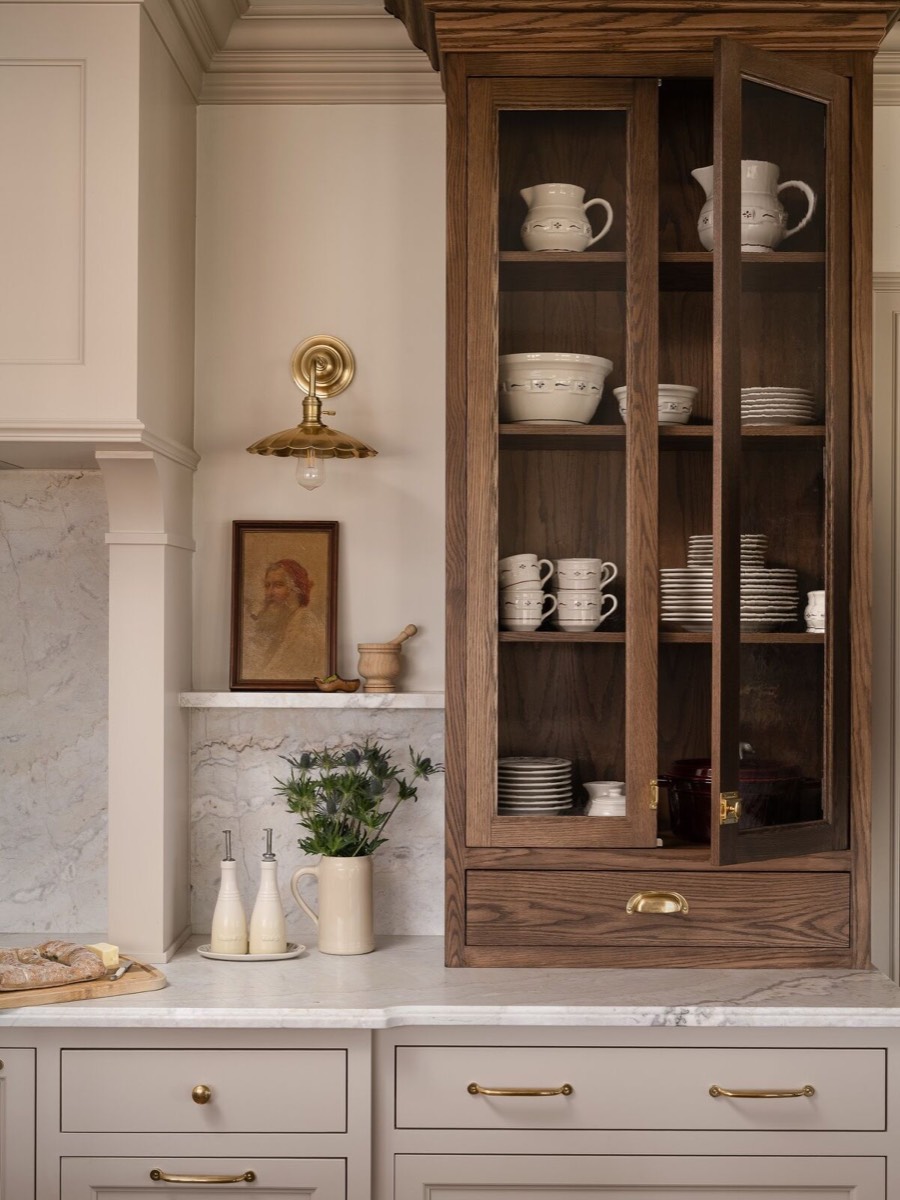
Brown, white, green, blue and black can form the backbone of a calm, cohesive home. Here is what each one brings to a room.
You do not need to test hundreds of paint chips to create a home that feels pulled together. Five broad color families cover most of what a room needs. The trick is understanding the role each one plays.
1. Brown grounds the room
Brown includes much more than paint: oak, walnut, leather, rattan, bronze and warm stone. These materials add weight and warmth. A room full of white walls and gray upholstery can feel cold until a wooden table or leather chair arrives. Brown tones do not need to match, but they should share a similar warmth.
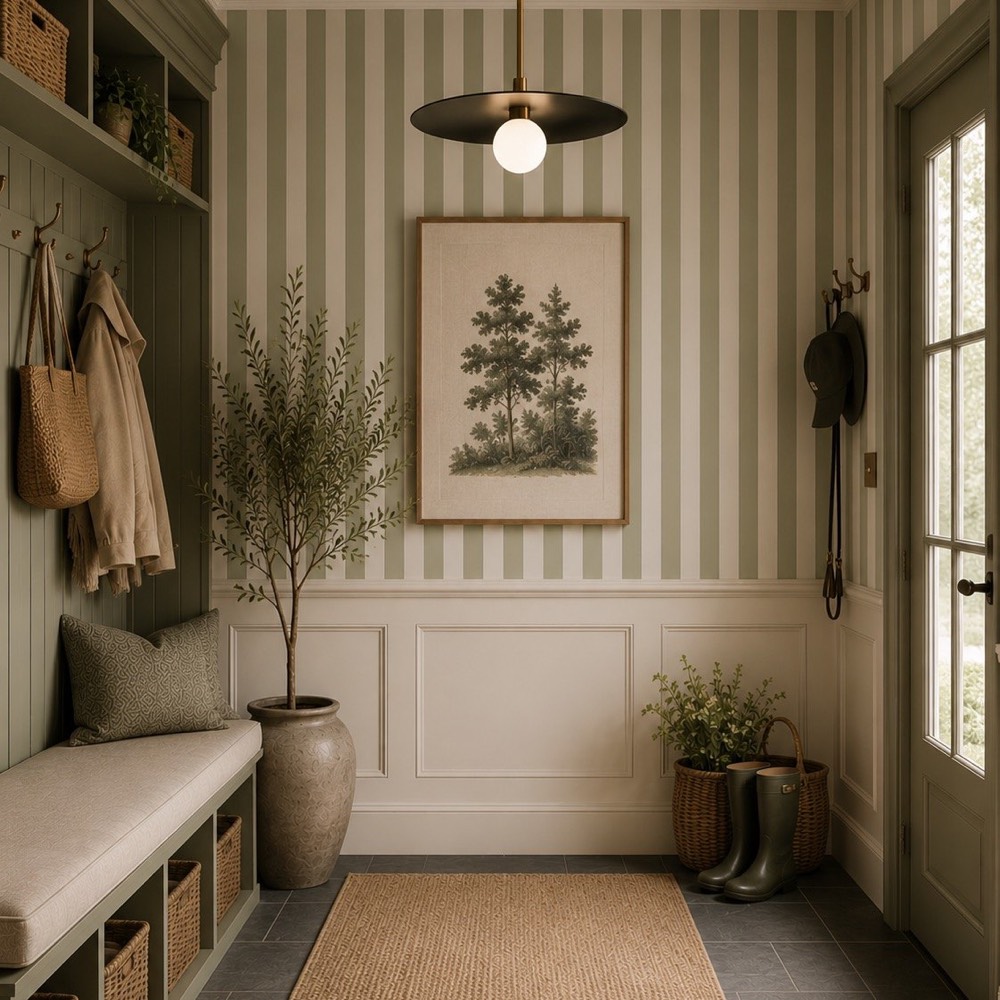
2. White and cream give breathing room
Light neutrals let furniture and art stand out. Whites have undertones, though, and can look pink, yellow, blue or green depending on the surroundings. Test large samples on several walls and check them in morning light, afternoon light and under lamps. In pale rooms, rely on texture such as linen, wool, plaster and ceramics to add interest.
3. Green connects everything
Green behaves almost like a neutral because it pairs naturally with wood and stone.
Green behaves almost like a neutral because it pairs naturally with wood and stone.
- Sage feels soft and quiet
- Olive is warm and works well with walnut and brass
- Forest green is deep and formal, best in smaller doses
4. Blue adds contrast
Blue brings calm contrast without overpowering a space. Dusty blues and navy are the easiest to live with. Use them on an accent chair, a kitchen island or a painted bookcase.
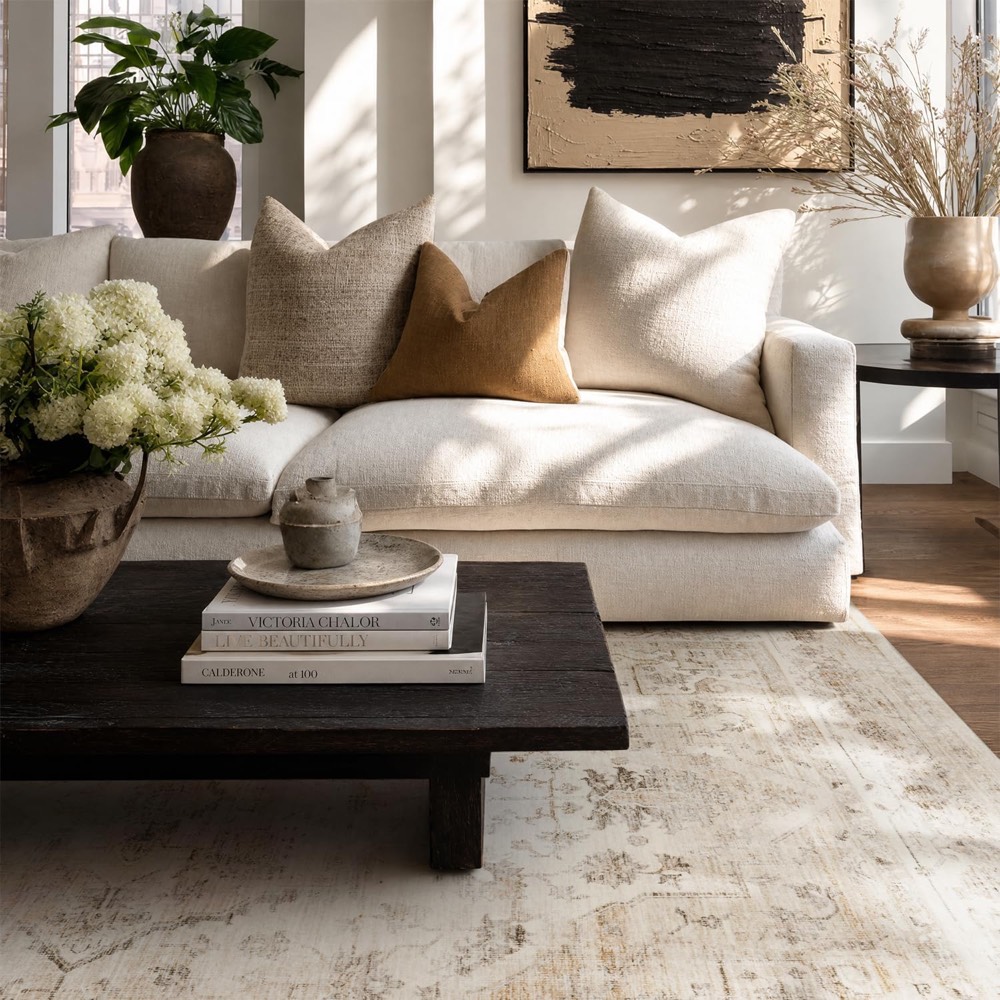
5. Black defines
A little black sharpens a room. Think picture frames, lamp bases, window frames or cabinet hardware. It gives the eye a place to rest and keeps light rooms from feeling washed out.
Putting them together
Start with white or cream as the backdrop, add brown through furniture and floors, bring in green with plants or textiles, and use blue and black sparingly as accents.